23 Results for "

Prunus persica L.

" in MedChemExpress (MCE) Product Catalog:
Products (23)

23 Results for "Prunus persica L." in MCE Product Catalog:

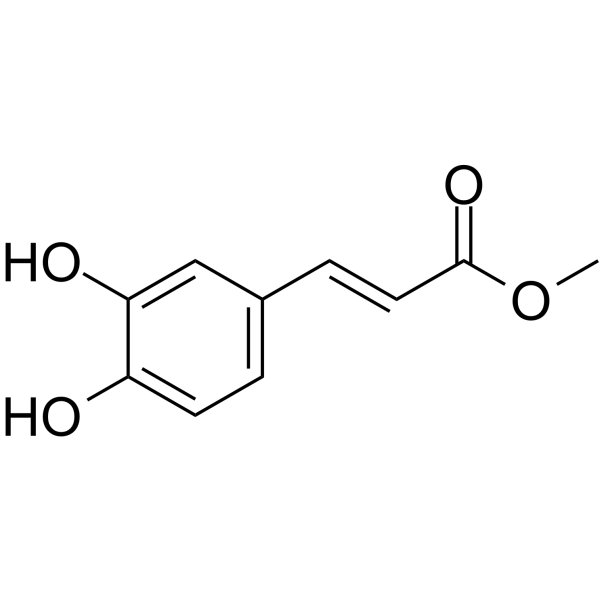
Cat. No.: HY-N6005
CAS No.: 3843-74-1
Methyl caffeate is a phenylpropanoid, antibacterial agent, and Apoptosis-inducing agent. Methyl caffeate can be isolated from the flowers of peach Prunus persica (L.). Methyl caffeate upregulates the expression of pro-apoptotic proteins Bid, Bax and p53, and downregulates the expression of anti-apoptotic protein BCL-2. Methyl caffeate downregulates SASP factors. Methyl caffeate enhances glucose-stimulated insulin secretion. Methyl caffeate inhibits the growth of Gram-positive bacteria, Gram-negative bacteria, fungi, and Mycobacterium tuberculosis strains. Methyl caffeate can be used in studies related to breast cancer, type 2 diabetes, and tuberculosis .
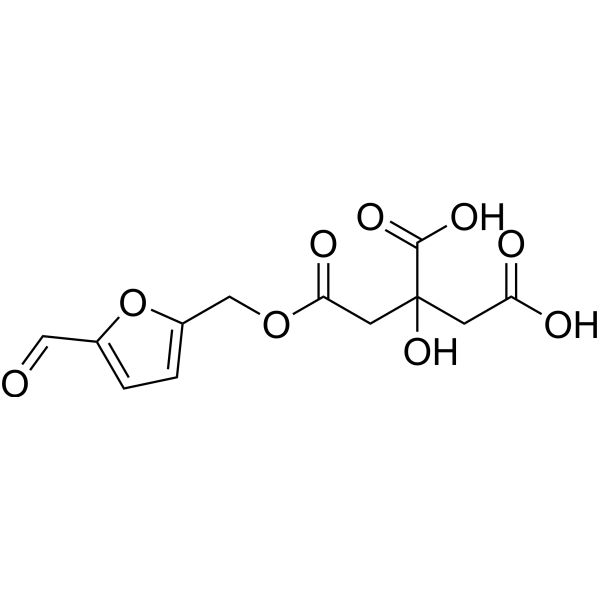
Cat. No.: HY-N8903
CAS No.: 222973-44-6
Mumefural is a bioactive component of the processed fruit of Prunus mume Sieb. Mumefural inhibits platelet aggregation. Mumefural shows anti-thrombotic effects and ameliorates cognitive impairment .
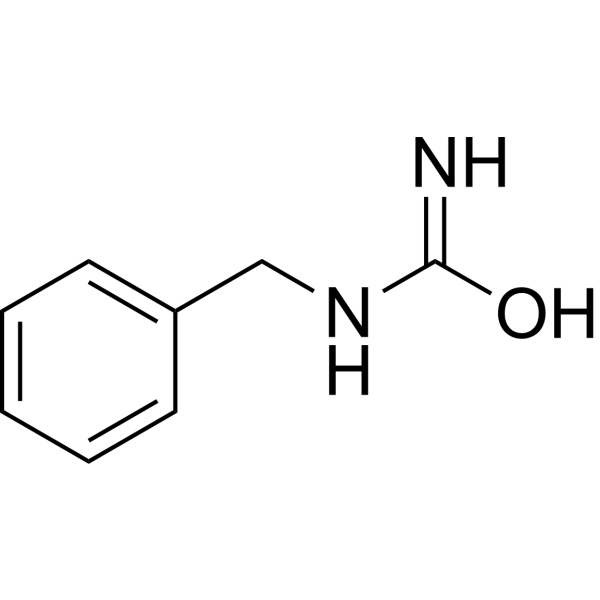
Cat. No.: HY-W010253
CAS No.: 538-32-9
Benzylurea is an anti-inflammatory agent. Benzylurea inhibits LPS (HY-D1056)-induced upregulation of MTCH2 expression and regulates pathways associated with mitochondrial function, inflammation and cell survival. Benzylurea alleviates LPS-induced proliferation inhibition and apoptosis of periodontal ligament fibroblasts, as well as the release of proinflammatory cytokines. Benzylurea can be used in studies related to periodontitis .
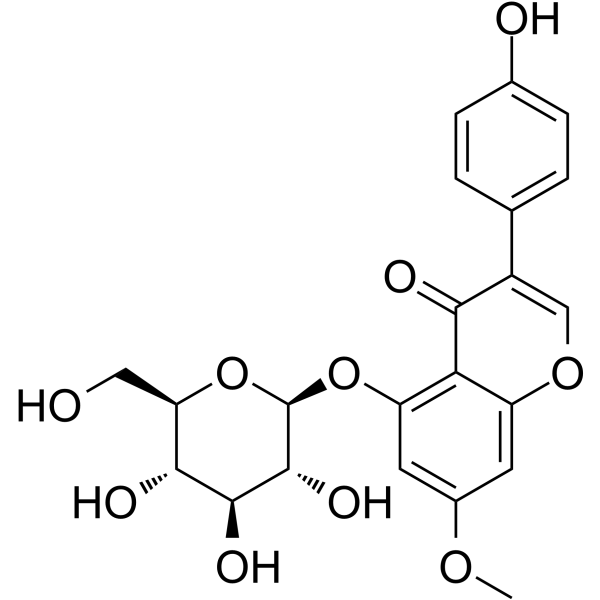
Cat. No.: HY-N7683
CAS No.: 89595-66-4
Prunetin 5-O-β-D-glucopyranoside is an isoflavone. Prunetin 5-O-β-D-glucopyranoside can be isolated from the pedicels of Prunus avium and Prunus cerasus. Prunetin 5-O-β-D-glucopyranoside acts as a non-competitive α-glucosidase inhibitor, with a IC50 of 56.05 μg/mL and a Ki of 121 μg/mL against Saccharomyces cerevisiae α-glucosidase. Prunetin 5-O-β-D-glucopyranoside can be used in studies related to type 2 diabetes .
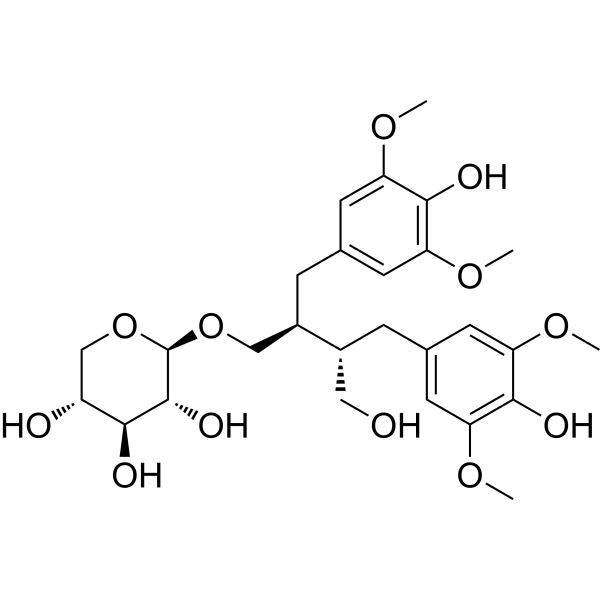
Cat. No.: HY-N1216
CAS No.: 126882-53-9
Ssioriside (compound 9) is a lignan xyloside, which can be isolated from the barks of Prunus ssiori and Prunus padus .
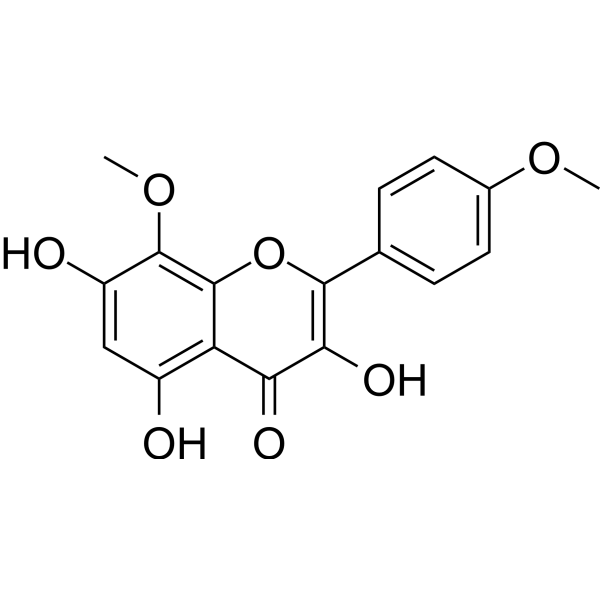
Cat. No.: HY-N1547
CAS No.: 3443-28-5
Prudomestin, isolated from the heartwood of Prunus domestica, shows potent xanthine oxidase (XO) inhibitory activity (IC50≈6 µM) .
Cat. No.: HY-N3091
CAS No.: 28978-03-2
Persiconin is a tyrosinase Inhibitor. Persiconin can be isolated from Prunus persica. Persiconin has tyrosinase inhibitory activity of 46% at 500 μM. Persiconin can be used in whitening research .
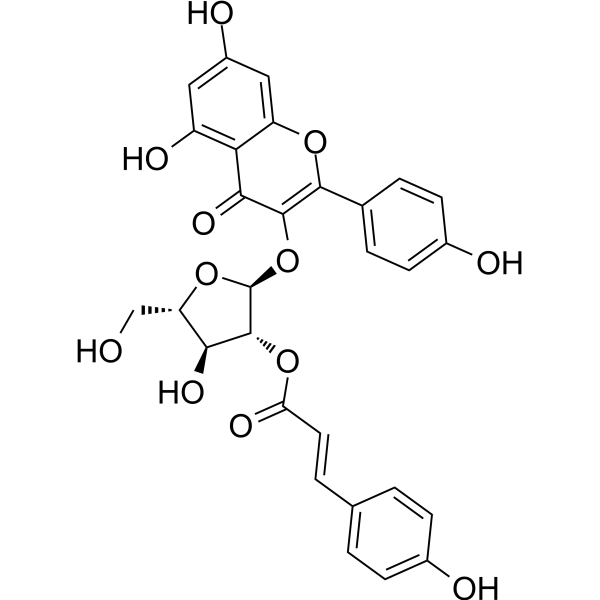
Cat. No.: HY-N1742
CAS No.: 67214-05-5
Synonyms: 2''-O-p-Cumaroyleuglanin; Kaempferol 3-O-[2′′-(E)-p-coumaroyl]-α-L-arabinofuranoside
2''-O-Coumaroyljuglanin (2''-O-p-Cumaroyleuglanin) is a flavonoid which can be isolated from the flowers of Prunus spinosa .
Cat. No.: HY-N12878
CAS No.: 20300-53-2
Calleryanin is a phenolic glycoside, which is mainly isolated from Maloideae and Prunus of the family Rosaceae. Calleryanin is used in study of plant defense mechanisms and new drugs development .
Cat. No.: HY-N12978
CAS No.: 56775-64-5
Benzyl β-gentiobioside is a phenyl alcohol glycoside found in peach kernels (Prunus persica seeds). Benzyl β-gentiobioside has anti-tumor promoting activity by inhibiting TPA (12-O-tetradecanoylphorbol 13-acetate, a tumor promoter)-induced Epstein-Barr virus early antigen (EBV-EA) activation .
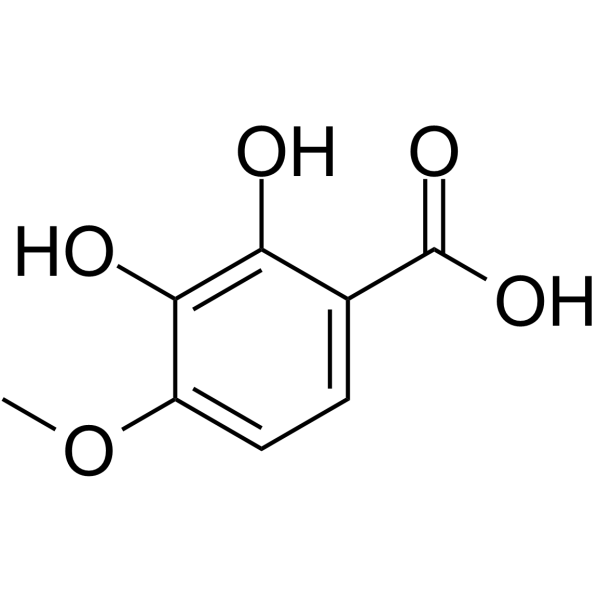
Cat. No.: HY-N9311
CAS No.: 3934-81-4
Research Areas:  

Others

2,3-Dihydroxy-4-methoxybenzoic acid is a Benzoic acid (HY-N0216) derivative that can be isolated from extracted from sweet cherry fruits (Prunus avium). 2,3-Dihydroxy-4-methoxybenzoic acid can be used as an organic synthesis intermediate used for the synthesis of active molecules .
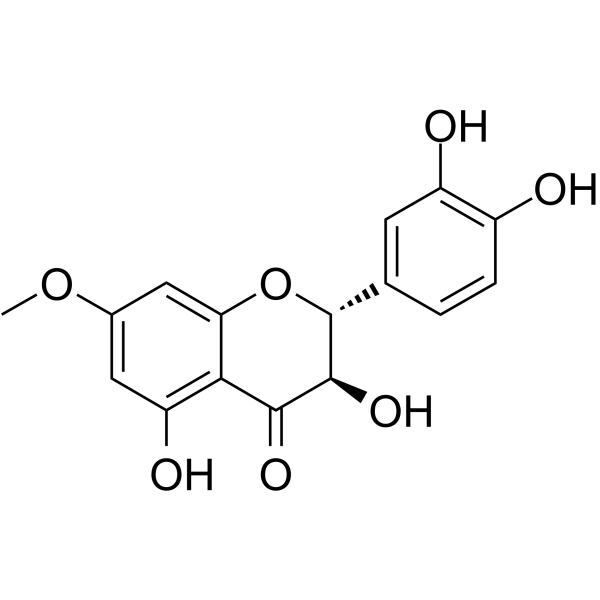
Cat. No.: HY-N3120
CAS No.: 80453-44-7
Padmatin is a dihydroflavonol isolated from the heartwood of Prunus puddum .
Cat. No.: HY-P2836
CAS No.: 9024-43-5
Synonyms: Mandelonitrile Lyase
Target:  

Endogenous Metabolite

Research Areas:  

Metabolic Disease

(R)-Mandelonitrile lyase (Mandelonitrile Lyase) is an enzyme that can be isolated from Prunus species .
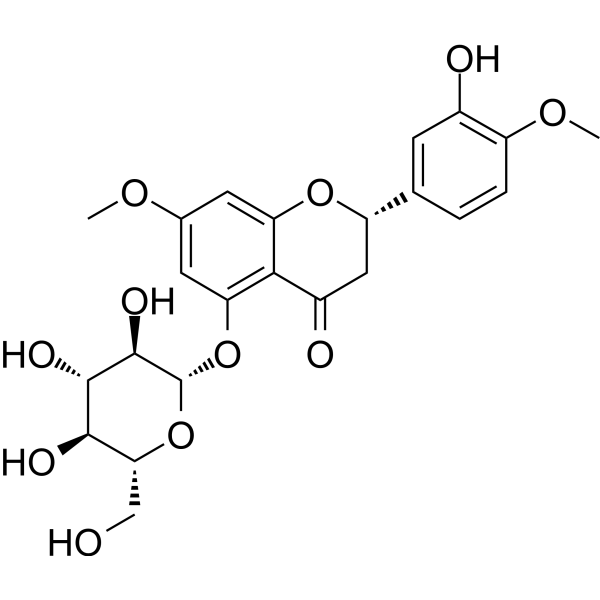
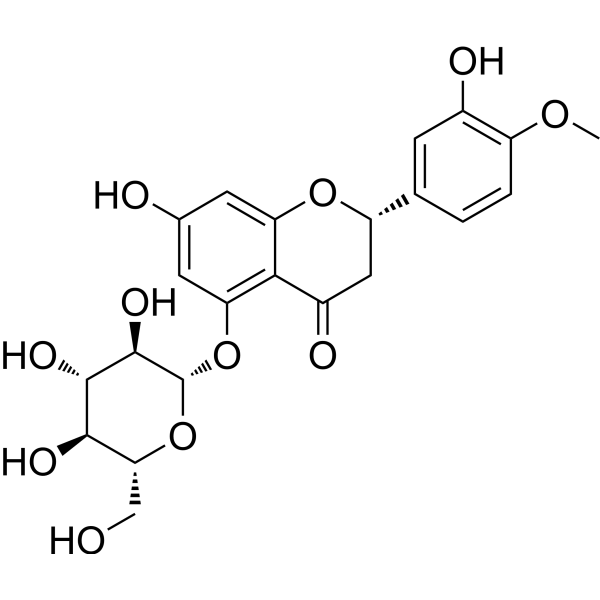
Cat. No.: HY-N8793
CAS No.: 69651-80-5
Hesperetin 5-β-D-glucopyranoside is a flavonoid component, that can be isolated from Prunus davidiana .
Cat. No.: HY-N8639
CAS No.: 160880-89-7
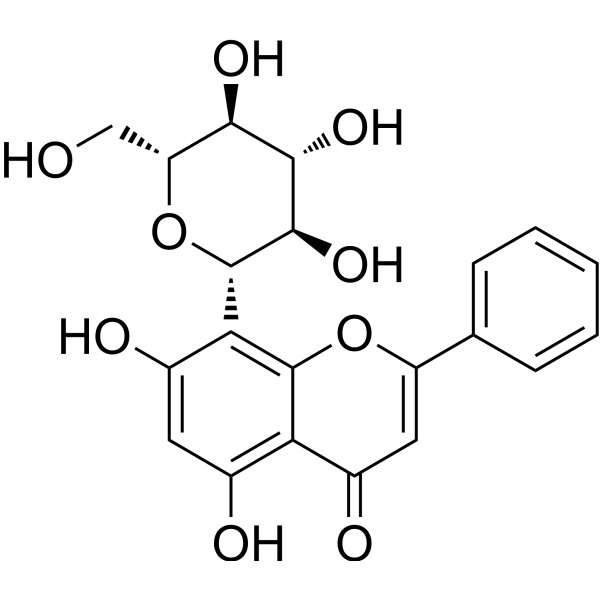
Chrysin 8-C-β-D-glucoside is a natural compound isolated from the herbs of Psidium guajava .
Cat. No.: HY-N1547R
CAS No.: 3443-28-5
Prudomestin (Standard) is the analytical standard of Prudomestin. This product is intended for research and analytical applications. Prudomestin, isolated from the heartwood of Prunus domestica, shows potent xanthine oxidase (XO) inhibitory activity (IC50≈6?μM) .
Cat. No.: HY-N18718
CAS No.: 85865-74-3
Category:  

Extract

Target:  

Others

Prunus pygeum africana extract is extracted from the bark of the African cherry tree. It can be used in health products.
Cat. No.: HY-N13797
CAS No.: 138195-49-0
1,6,2',6'-O-Tetraacetyl-3-O-trans-p-coumaroylsucrose (Compound 12) is a bitter-tasting compound present in the drupes of Prunus maximowiczii .
Cat. No.: HY-N18193
CAS No.: 151649-54-6
Prunasinamide is a catabolite of Prunasin (HY-N1548) and can be found in senescent leaves of Prunus laurocerasus. Prunasinamide can be generated from Prunasin via the Radziszewski reaction .
Cat. No.: HY-W010253R
CAS No.: 538-32-9
Benzylurea (Standard) is the analytical standard of Benzylurea (HY-W010253). This product is intended for research and analytical applications. Benzylurea is a benzylamide. Benzylurea is an anti-inflammatory agent. Benzylurea inhibits LPS (HY-D1056)-induced upregulation of MTCH2 expression and regulates pathways associated with mitochondrial function, inflammation and cell survival. Benzylurea alleviates LPS-induced proliferation inhibition and apoptosis of periodontal ligament fibroblasts, as well as the release of proinflammatory cytokines. Benzylurea can be used in studies related to periodontitis.

